
On 12th - 13th December, the 2024 National Seminar on Healthy Campus Development in Higher Education Institutions and the Annual Meeting of the National Steering Committee for Health Education in Higher Education were convened in Shanghai. The event was hosted by the National Steering Committee for Health Education in Higher Education under the Ministry of Education, with joint organisation by the School of Physical Education and Engineering at East China University of Science and Technology and the School of Physical Education and Health at East China Normal University. Centred on the theme ‘Building Healthy Campuses, Cultivating Healthy Talent’, the conference aimed to explore effective pathways and methodologies for establishing healthy campuses within higher education institutions. It facilitated the sharing of successful experiences and innovative practices in health education across various regions and universities, fostering consensus and clarifying future directions to propel health education in higher education nationwide to new heights.
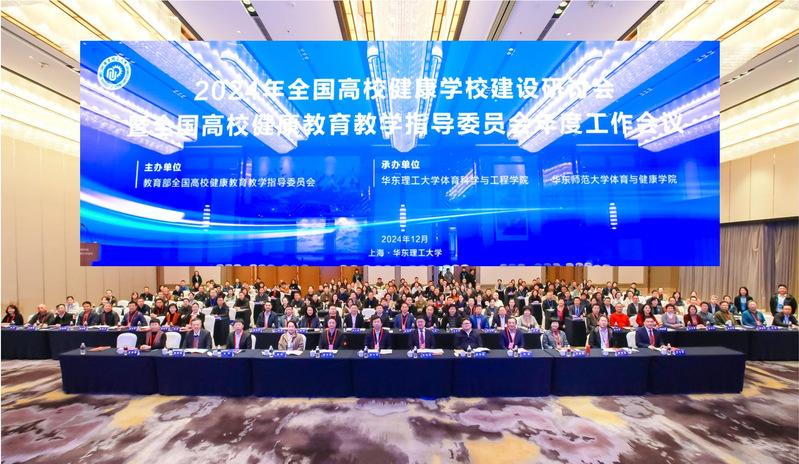
The opening ceremony was attended by over 200 experts and scholars, including relevant leaders from the Department of Physical Education, Health and Arts Education of the Ministry of Education; the Deputy Party Secretary of East China University of Science and Technology; relevant leaders from the School of Physical Education and Health at East China Normal University; relevant leaders from the National Higher Education Health Education Teaching Guidance Committee; members of the National Higher Education Health Education Teaching Guidance Committee; and representatives from national higher education health school development units. The ceremony was presided over by Xinming YE, dean of the School of Sports Science and Technology at East China University of Science and Technology.
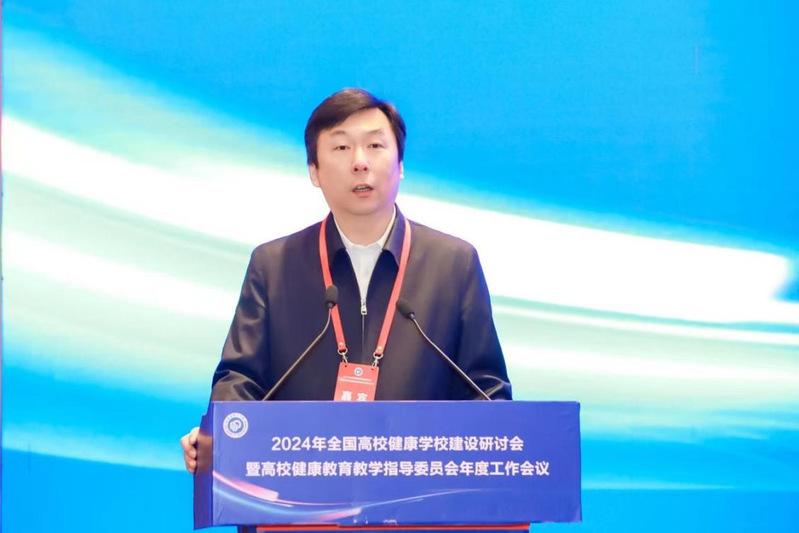
Dayan YANG, deputy director-general of the Department of Physical Education, Health and Arts Education at the Ministry of Education, emphasised that advancing the development of healthy schools constitutes a vital measure in implementing the healthy China strategy. It represents a crucial task in accelerating educational modernisation, establishing a high-quality education system, and building China into an education powerhouse. He also put forward three recommendations for the development of healthy schools in higher education institutions: Firstly, to enhance political awareness and fully recognise the significance of establishing healthy schools; secondly, to strengthen coordination and collaboration, meticulously plan, and implement comprehensive measures; thirdly, to reinforce process management and services, focusing on resolving the difficulties and pain points encountered during the development of healthy schools in higher education institutions, thereby further driving tangible progress in this endeavour.
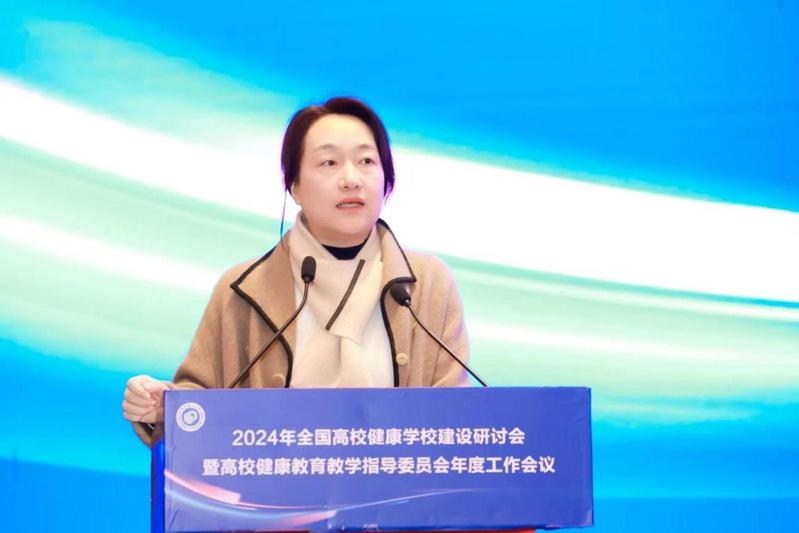
Hua CHEN, director of the Department of Physical Education, Health, Arts and Science Popularisation at the Shanghai Municipal Education Commission, emphasised that the development of healthy schools not only concerns the physical and mental well-being of students but also serves as a vital safeguard for cultivating well-rounded socialist builders and successors who excel in moral, intellectual, physical, aesthetic and labour education. Shanghai will seize this conference as an opportunity to earnestly study and draw upon the advanced experiences and practices of sister provinces, municipalities and universities. The city will further intensify its efforts, refine its measures, and strive to elevate the development of healthy schools within Shanghai's higher education institutions to new heights.
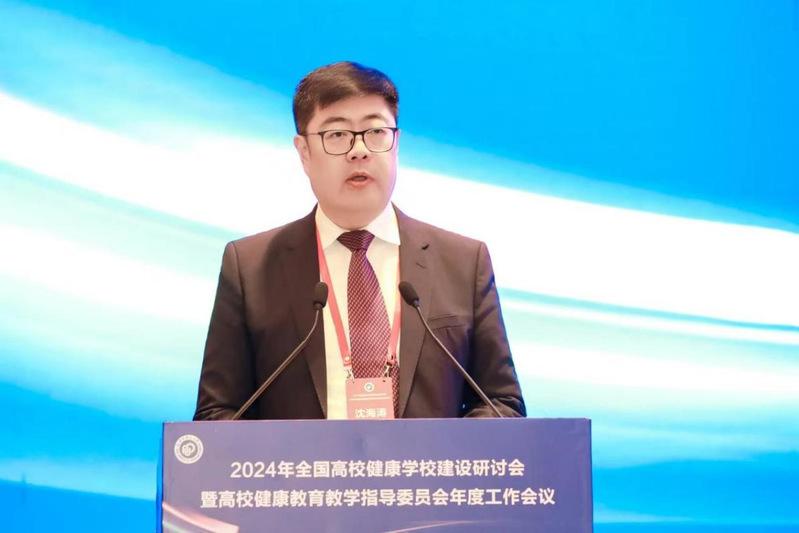
Haitao SHEN, deputy secretary of the Party Committee of East China University of Science and Technology, extended a warm welcome and sincere gratitude on behalf of the university to the leaders and guests attending the conference. He noted that at this year's Second National Education Conference in the New Era, general secretary Jinping XI emphasised that building an education powerhouse constitutes a complex systemic endeavour. This requires focusing intently on the fundamental task of fostering virtue through education, with the aim of cultivating well-rounded socialist builders and successors who excel in moral, intellectual, physical, aesthetic and labour education. Through this symposium, ECUST will engage in in-depth exchanges and candid sharing with colleagues. Grounded in national strategic needs, we will enhance our capacity for innovation in health education. Together, we shall refine approaches and strategies for continuously improving the teaching and development of health education in higher education institutions, thereby contributing wisdom and strength to the vigorous advancement of health education across China's universities.
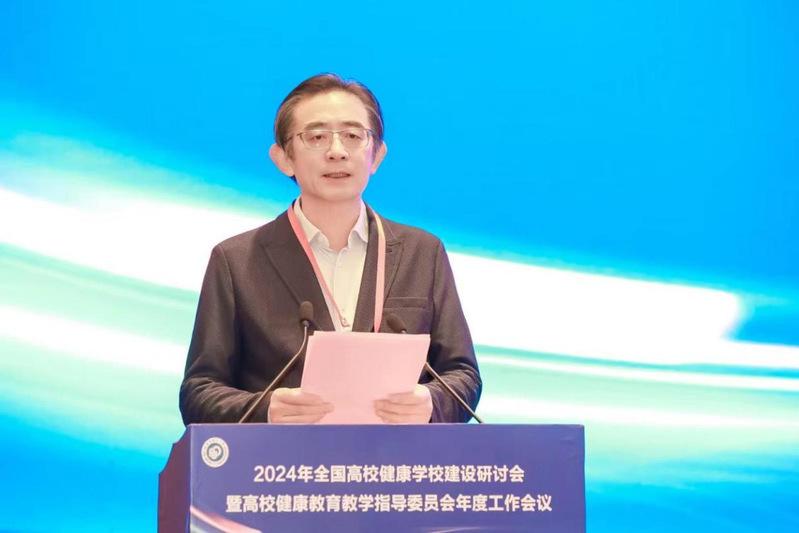
Professor Liu JI, dean of the College of Physical Education and Health at East China Normal University and chair of the National Steering Committee for Health Education in Higher Education Institutions, expressed gratitude on behalf of the Committee to the distinguished guests and experts in attendance. He emphasised that strengthening the development of healthy campuses and advancing reforms in health education represent not only a responsibility of our era but also a solemn commitment to society and future generations. Moving forward, the development of healthy campuses and health education initiatives within higher education institutions must remain steadfastly committed to the fundamental task of fostering virtue through education. This entails continuously enhancing students' physical and mental wellbeing, strengthening faculty development, striving to innovate approaches and methodologies in health education, and fostering inter-institutional exchange and collaboration. Collectively, these efforts will propel the high-quality advancement of healthy campuses within higher education.
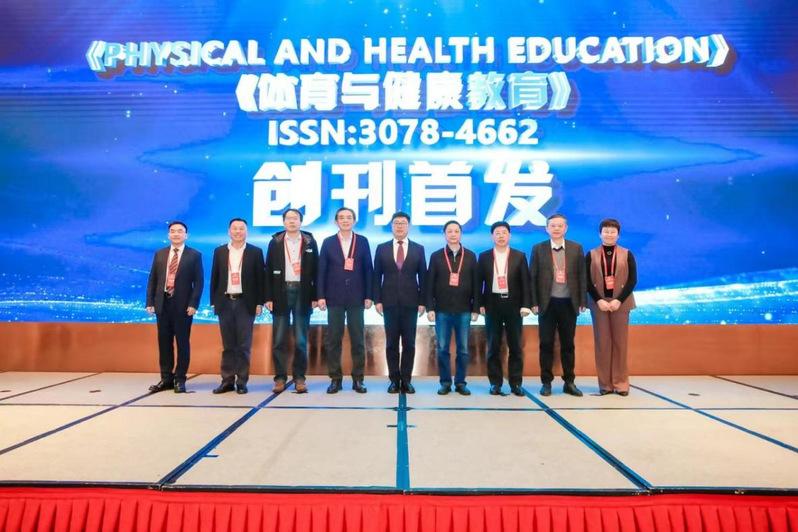
The inaugural ceremony for the journal Physical and Health Education (PHE) was solemnly held during the opening event. This publication will advance academic exchange and research across various dimensions of physical and health education, encompassing sports science, physical education, physical activity and health ion, and physical fitness. It will provide robust support for translating academic achievements in health education into practical applications. Prof. Liu JI serves as editor-in-chief, with Prof. Xinming YE as executive editor. Associate editors include professor Xiaozan WANG, Prof. Fangbiao TAO from Anhui Medical University, Prof. Xiaojian YIN from Shanghai University of Applied Science and Technology, Prof. Yajun CHEN from Sun Yat-sen University, and Prof. Jun MA and Prof. Yi SONG from Peking University. During the ceremony, Haitao SHEN presented appointment letters to Liu JI and Xinming YE, while Liu subsequently presented appointment letters to the journal's associate editors.
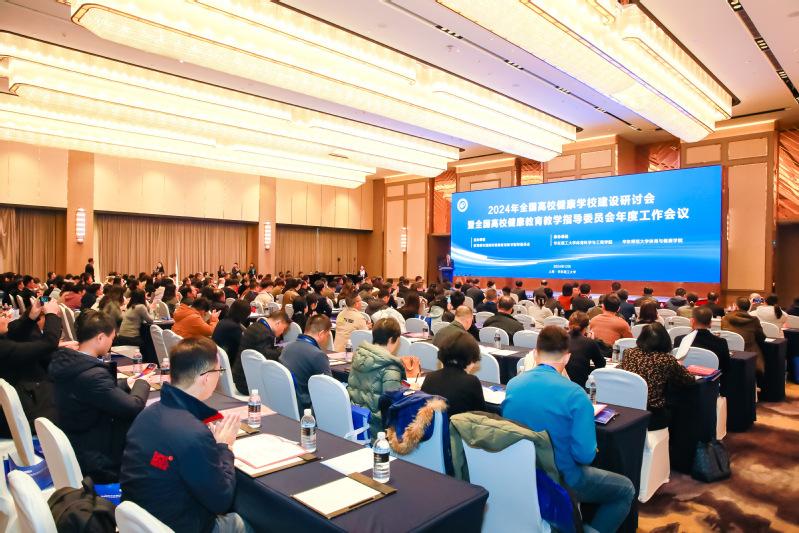
As a major national gathering in the field of health education within higher education institutions, this symposium brought together educators from health school development units across the country alongside experts and scholars specialising in university health education. During the keynote presentations and sharing sessions, Prof. Yinghua MA from Peking University delivered a keynote address on ‘Requirements and Key Indicators for University Health School Development’, while Prof. Yajun CHEN from Sun Yat-sen University presented a special report titled ‘Current Status of University Health Systems and Reflections on Implementation Pathways for the National Healthy School Initiative’. Representatives from Shanghai University of Applied Science, Southern Medical University, South China Agricultural University, Shihezi University, and Hebei Vocational College of Mechanical and Electrical Technology shared their respective experiences on thematic topics.
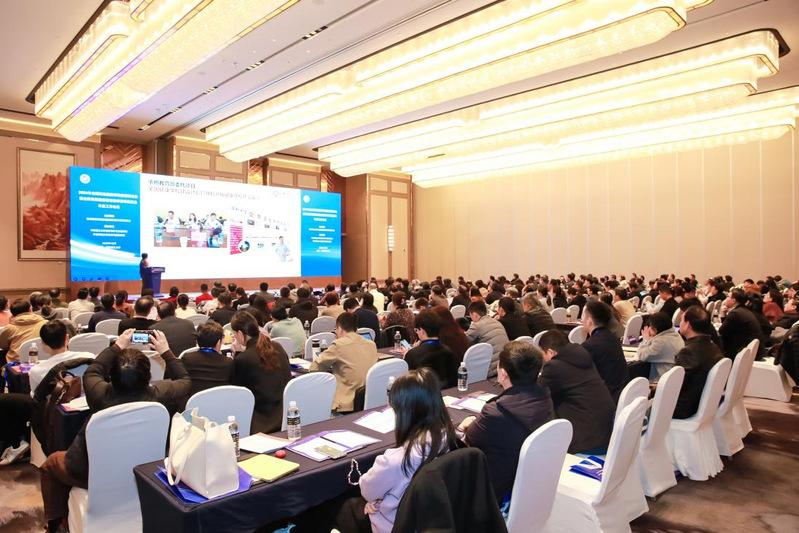
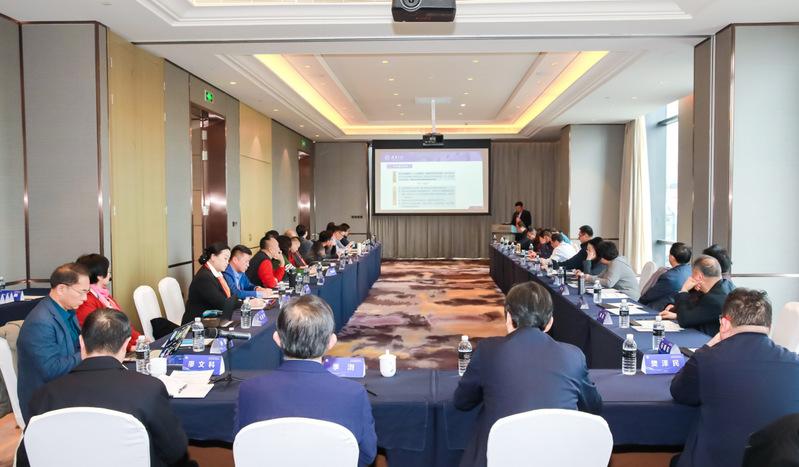
Over the course of the two-day conference, participating experts engaged in in-depth discussions on key topics including the development of healthy schools, the advancement of health education in higher education institutions, and the physical and mental wellbeing of students. They exchanged experiences and achievements, explored new development approaches and action plans, thereby contributing their wisdom and efforts to enhance the overall health literacy of university students, e the establishment of healthy schools within higher education institutions, and advance the comprehensive development of health education across the nation's universities.
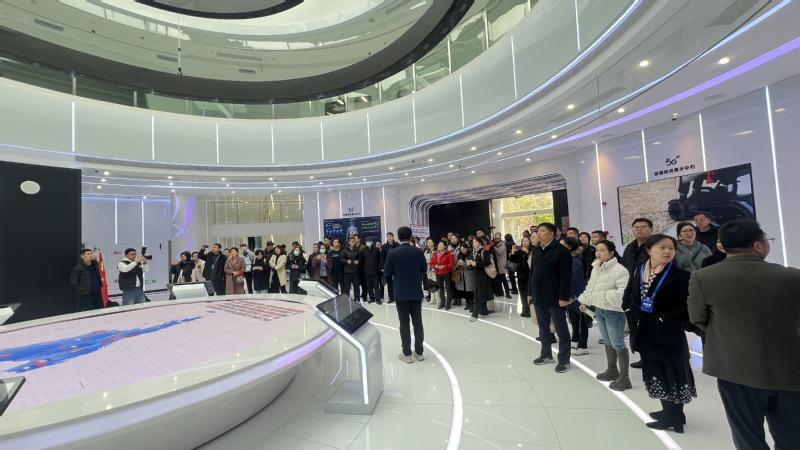
During the conference, experts from the Teaching Guidance Committee and representatives of Healthy Schools collectively visited Shanghai Health University for an on-site inspection and research tour. Discussions centred on the reform and high-quality development of health education teaching within higher education institutions.
This symposium brought together experts and scholars in the field of health education from universities nationwide, alongside educators from health school development units across the country. Together, they explored the advancement and innovation of health education and teaching within higher education institutions. Through deepening health education concepts and the outcomes of pedagogical research, they collectively strive to propel the strategies for building an education powerhouse, a talent powerhouse, and a healthy China towards new heights of achievement.